




If you’re looking for a stable healthcare career without spending years in medical school, radiologic technology is one of the best options. A key question everyone asks is: what is the radiology tech salary?
The answer depends on experience, location, specialization, and workplace. This guide breaks down everything you need to know—from starting salaries to top-earning opportunities—so you can make an informed career decision.
What Does a Radiologic Technologist Do?
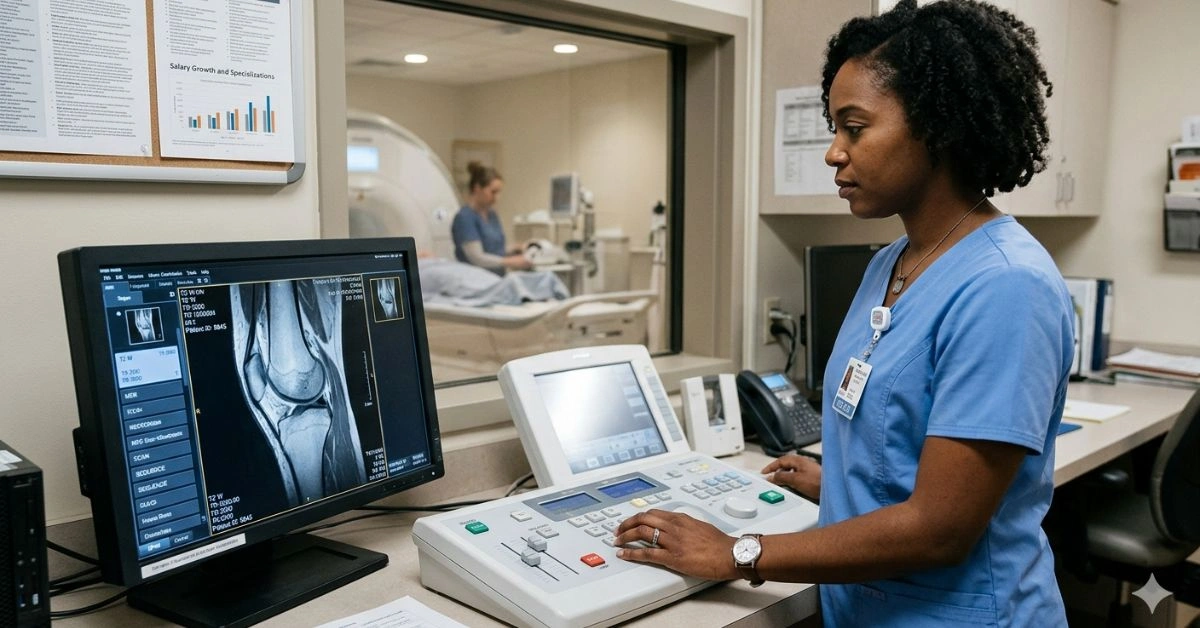
Radiologic technologists (rad techs) operate imaging equipment to help doctors diagnose and treat medical conditions.
Typical duties include:
- Performing X-rays, CT scans, and MRI procedures
- Preparing patients and positioning them for accurate imaging
- Maintaining and operating imaging machines
- Ensuring image quality for proper diagnosis
It’s a mix of technical skill and patient care, making it both practical and rewarding.
Average Radiology Tech Salary in 2026
The average radiology tech salary in 2026 ranges:
- $55,000 – $85,000 per year
- $26 – $40 per hour
Most professionals earn around $70,000 annually, which is competitive for a career requiring only 2–4 years of education.
Entry-Level Radiology Tech Salary
- $45,000 – $55,000 per year
- Hourly: $20 – $27
Entry-level roles are often in hospitals or outpatient centers. This stage offers growth opportunities, certifications, and specialization paths.

Mid-Level Radiology Tech Salary (3–7 Years Experience)
- $60,000 – $75,000 annually
- Hourly: $28 – $35
At this level, techs often:
- Handle complex imaging tasks
- Work higher-paying shifts
- Pursue certifications like CT or MRI
Senior-Level Radiology Tech Salary (8+ Years Experience)
- $75,000 – $95,000+ per year
- Hourly: $35 – $45+
Top earners, particularly in specialized roles, can exceed $100,000 annually.
Radiology Tech Salary by Specialization
| Specialization | Average Salary |
| MRI Technologist | $70,000 – $95,000+ |
| CT Technologist | $65,000 – $90,000 |
| Interventional Radiology | $80,000 – $110,000+ |
| Mammography Technologist | $60,000 – $85,000 |
Radiology Tech Salary by Location
High-Paying Areas
- California
- New York
- Massachusetts
- Washington
Lower-Paying Areas
- Rural towns
- Smaller cities
Urban hospitals often offer $15,000–$20,000 more per year than rural clinics.
Salary by Workplace
- Hospitals: $65,000 – $85,000
- Outpatient Clinics: $55,000 – $75,000
- Private Imaging Centers: $60,000 – $80,000
- Travel Radiology Tech Jobs: $80,000 – $120,000+
Travel roles include housing and bonuses and are highly lucrative.
Discover more in Stackhouse Management: A Practical Guide to Smarter Business Operations for improved operations.
Key Factors Affecting Radiology Tech Salary
- Experience – More experience = higher pay
- Certifications – MRI, CT, or interventional certifications boost salary
- Education – Bachelor’s degree often offers higher-paying roles
- Work Schedule – Nights, weekends, and holidays pay extra
- Regional Demand – High-demand areas pay more
Is Radiology Tech a Good Career Financially?
Pros:
- Strong starting salary
- High job demand
- Shorter education period
- Growth opportunities
Cons:
- Physically demanding at times
- Requires precision and focus
- Exposure to radiation (with proper safety measures)
Salary Growth Over Time
| Experience Level | Salary Range |
| Entry-Level | $45,000 – $55,000 |
| Mid-Level | $60,000 – $75,000 |
| Senior-Level | $75,000 – $95,000+ |
| Specialized Roles | $90,000 – $110,000+ |
Radiology Tech vs Other Healthcare Jobs
| Role | Average Salary |
| Radiology Tech | $55,000 – $85,000 |
| Nurse | $70,000 – $95,000 |
| Medical Assistant | $35,000 – $45,000 |
| Sonographer | $75,000 – $95,000 |
How to Maximize Radiology Tech Salary
- Earn Advanced Certifications – MRI, CT, or interventional certifications
- Consider Travel Jobs – High pay with benefits
- Move to High-Demand Areas – Cities and specialized hospitals
- Continuing Education – Stay competitive and qualify for advanced roles
- Take Leadership Roles – Supervisory or management positions pay more
Skills That Impact Salary
- Strong technical skills
- Accuracy and attention to detail
- Patient communication skills
- Problem-solving and critical thinking
- Ability to handle fast-paced environments
Education Requirements
Minimum:
- Associate degree in radiologic technology
- State certification or license
Optional but Beneficial:
- Bachelor’s degree
- Specialized certifications
Real Career Growth Example
- Year 1–2: $48,000
- Year 3–5: $65,000
- Year 6–10: $85,000
- 10+ Years: $100,000+
Common Myths About Radiology Tech Salary
- “It doesn’t pay well” – Entry-level salaries are strong and growth is fast
- “No career growth” – Specializations and certifications open doors
- “It’s a dead-end job” – Leadership and advanced roles are common
Featured Snippet Example
Q: What is the average radiology tech salary in 2026?
The average radiology tech salary in 2026 is about $70,000 per year, ranging from $45,000 for entry-level to over $100,000 for experienced or specialized roles.
FAQS
1. What is the starting salary for a radiology tech?
$45,000 – $55,000 annually.
2. Can a radiology tech earn $100K?
Yes, experienced professionals or those in travel or specialized roles can exceed $100,000.
3. Which specialization pays the most?
Interventional radiology and MRI tech roles typically offer the highest pay.
4. Is radiology tech in demand?
Yes, demand is growing due to healthcare needs and aging populations.
5. How long does it take to become a radiology tech?
Typically 2–4 years, depending on education and certification path.
Final Thoughts
A career as a radiologic technologist offers not only a competitive salary but also strong job growth, opportunities for specialization, and flexible work options. Understanding the radiology tech salary and the factors that influence it—such as experience, location, and certifications—can help you make informed career decisions.
Investing in advanced certifications, considering high-demand locations, and pursuing leadership or travel roles can significantly boost earnings. With the right strategy, dedication, and continuous learning, a radiology tech career can be both financially rewarding and professionally fulfilling.